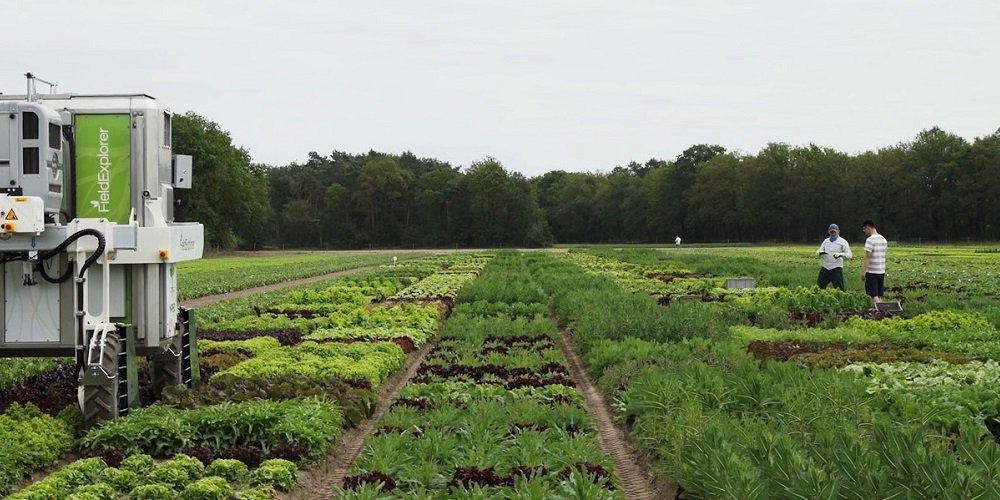
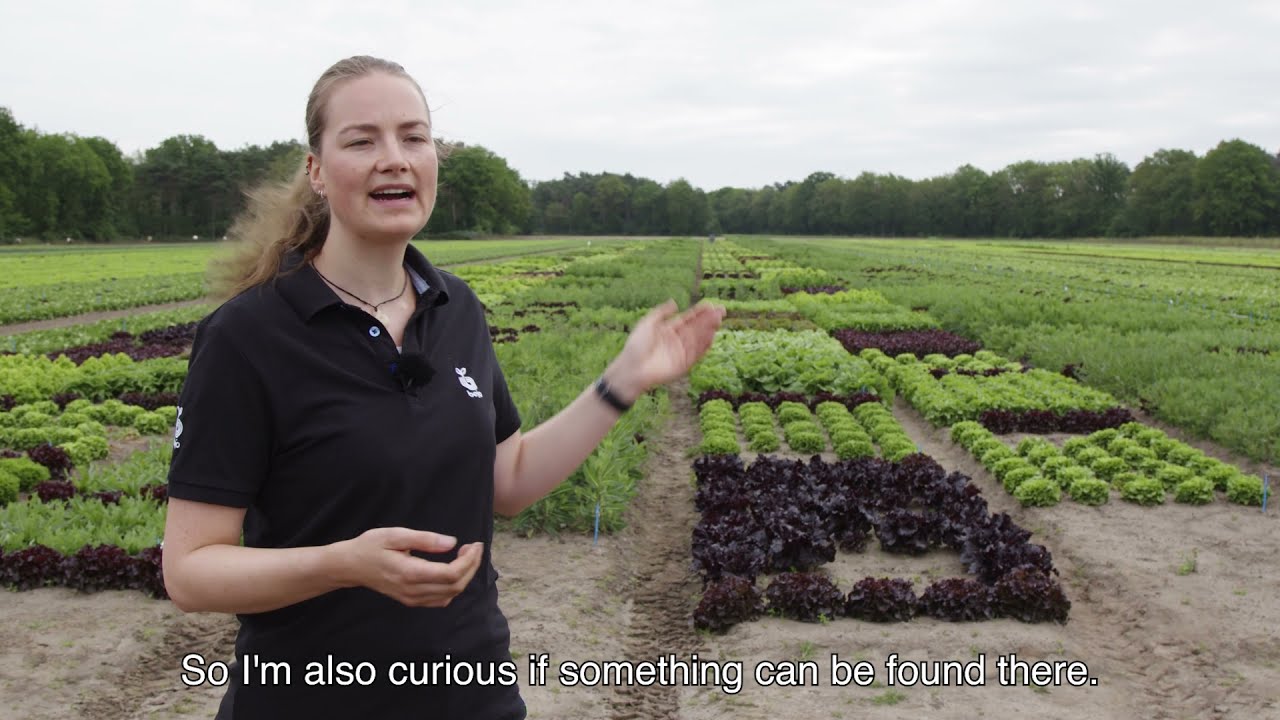
Lettuce is a source of vitamins and minerals and therefore an important food crop. Around 105 million kilograms of lettuce are harvested in the Netherlands every year. To maintain a healthy crop in the future, much research is being done into the variation in characteristics in lettuce and the processes and genetics involved. The aim is to make lettuce varieties resistant to all kinds of diseases and pests and to resist climate change: 'For our food production, we depend on strong and resilient crops,' says Guido van den Ackerveken, professor at the University of Utrecht and programme leader of the Perspectief programme LettuceKnow.
To respond to a changing climate, the researchers are trying to use bioinformatics with big data and machine learning to find the characteristics of lettuce that are needed to keep crops healthy. 'What is very important within the research, in addition to plant biology, is the focus on bioinformatics. We use that to make good selections of traits and learn a lot about plants in general,' says van den Ackerveken. Various researchers have brought together information on four hundred slalom lines. Linking genetic information to data analysis ensures that the underlying hereditary characteristics can be determined. This means that about 30 thousand genes are identified per slalom. The identification of genes provides more insight into the characteristics of the plants, the influence of a salty soil, the resilience and the reaction of the plant to pathogens.
Cooperate
One of the key concepts of the research is cooperation. The consortium consists of seven different organisations and the universities of Utrecht, Wageningen and Leiden. What is special is that the seven participating companies normally compete with each other; however, for this research they are happy to work together. This allows the organisations to do research they would not normally get around to. 'It is not only scientifically relevant, but also really practical for the breeding companies,' says Yonina Hendrikse, breeder at Bejo Zaden.
Want to know more?
On 31 May 2022 during TEKNOWLOGY, representatives of LettuceKnow will also be present. Research into the genetic composition of lettuce is central to the programme: How do the parties work together on strong crops? How are different interests dealt with? How does the cooperation work? How is the knowledge put into practice and what can we expect from the results?